
Music has always been part of how people live, work, celebrate and unwind. Whether it is a hard rock track on a long drive, a smooth instrumental while working, or an old favourite playing at a weekend gathering, music has a way of fitting into almost every part of life.
You do not need to be a musician to appreciate what good music can do. The right song can change the atmosphere, bring back memories or simply help you switch off after a long day.
Music and Your Mood
 One of the biggest reasons people listen to music is simple: it can affect how they feel. Fast-paced tracks can create energy, while slower music can help create a calmer environment.
Many people also use music as a way to stay focused. A solid playlist can make repetitive jobs, workouts, driving or even household chores more enjoyable. Instead of sitting in silence, you have something that keeps your mind engaged.
The key is choosing music that suits the situation. There is a time for loud guitars and heavy drums, just as there is a time for something quieter.
The Role of Music in Everyday Life
Music is not limited to concerts or special occasions. It is part of everyday routines. People listen to music while exercising, travelling, cooking, studying and spending time with friends.
Streaming platforms have also made access to music easier than ever. Instead of carrying a collection of CDs or records, listeners can access thousands of artists and genres from a phone or computer.
This has also made it easier to find new music. A person who normally listens to rock can discover blues, country, electronic music or even classical tracks with just a few searches.
Why Live Music Is Different
Listening through headphones is convenient, but live music offers something different. Being in the same room as musicians, feeling the sound through a venue and experiencing a performance with other people creates an atmosphere that a recording cannot completely reproduce.
Live music also gives artists the opportunity to connect directly with their audience. Every performance has its own energy, which is one reason concerts continue to attract crowds.
Music as a Creative Outlet
Music is also a powerful way to express ideas. Writing lyrics, playing an instrument, producing beats or recording vocals allows people to turn thoughts and experiences into something others can hear.
You do not need expensive equipment to start. A basic instrument, computer or recording app can be enough to begin experimenting with music production.
For beginners, the important thing is to keep practising. Skills improve through repetition, experimentation and learning from mistakes.
Choosing Music That Works for You
There is no single type of music that suits everyone. Your preferences will depend on your personality, interests and environment.
Build playlists for different parts of your day. Have something energetic for workouts, something relaxed for evenings and a few personal favourites for when you simply want to enjoy yourself.
At the end of the day, music does not have to be complicated. Find the artists, songs and sounds that speak to you, turn up the volume and enjoy the experience.
Music has been around for generations, and it is not going anywhere. As technology changes and new artists continue to emerge, the way we listen may evolve, but the basic appeal remains the same.
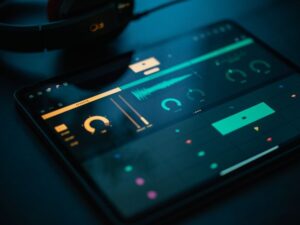 For independent artists, there are obvious advantages. AI-powered tools can help with arranging songs, generating ideas, improving production and experimenting with sounds. An artist working alone can potentially create music faster without needing a large production budget.